Why Transformation Doesn't Happen in a Weekend (And What Actually Does)
Let's be honest about something the wellness industry doesn't always want to admit: you can't fix burnout in three days. You can't heal years of stress with one good cry in savasana. You can't download a new version of yourself over a long weekend.
And yet, something real does happen at retreats. Just not what most people expect.
The myth of the instant breakthrough
We've all seen the transformation stories. Someone arrives broken, has a profound realisation on day two, leaves completely changed. New job, new relationship, new life. All in one week.
These stories aren't lies exactly. But they are incomplete.
What actually happens is smaller and stranger. Someone arrives exhausted. They sleep for three days straight. They cry during a yoga class for reasons they can't articulate. They have one conversation that shifts something. They go home and most things are exactly the same, except they feel slightly different about all of it.
That's not a disappointing outcome. That's how real change begins.
What your body needs before your mind can shift
Here's what we have observed over years of hosting people in burnout: transformation isn't a mental process first. It's physiological.
Your nervous system has been running on cortisol and adrenaline, possibly for years. Your body is in survival mode, which means the parts of your brain responsible for creativity, connection, and clear thinking are partially offline. You can't think your way out of this state. You have to regulate your way out.
This is why at Ubuntu, we don't start with big workshops or intense processing sessions. We start with basics: sleep, food, movement, breath.
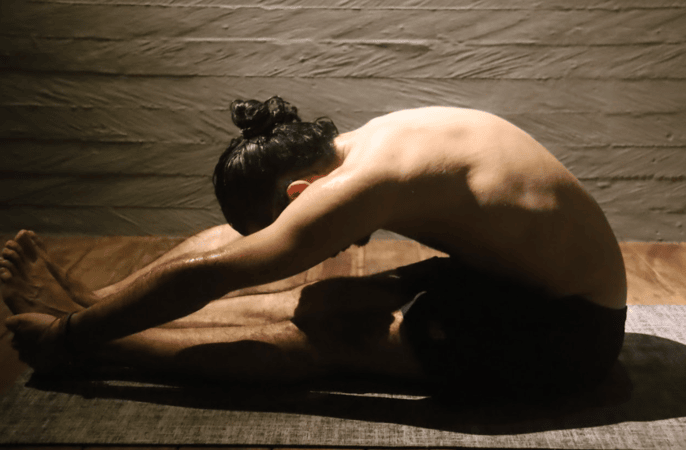
Our daily yoga classes aren't about achieving advanced poses. They are about teaching your body that it's safe to be present. That stretching doesn't have to hurt. That effort and ease can coexist. These are somatic lessons your nervous system needs to learn before cognitive insights can land.
The timeline nobody talks about
Week one of recovery often looks like regression. You sleep more than seems reasonable. You might feel more emotional, not less. Your mind races even when your body is still.
This isn't failure. This is thaw.
Your system has been frozen in high alert. As it starts to feel safe, all the things you've been suppressing begin to surface. At Ubuntu, we hold space for this phase without trying to rush it. Our intimate community means people aren't performing wellness. You can be a mess. Sleep through breakfast. Skip the afternoon workshop because you need to stare at rice fields for three hours. All of this is progress.
What holistic actually means
"Holistic wellbeing" has become wellness-speak for "we offer yoga and also maybe some crystals." But the original meaning is more practical: healing happens when we address the whole system, not just symptoms.
Real holistic practice at Ubuntu looks like this:
Body: Yoga classes that meet you where you are. Movement that discharges stress, strengthens what's weak, opens what's tight. Our teachers adapt to whoever shows up, whether you are recovering from injury or haven't moved in months.
Mind: Not positive thinking, but awareness. Learning to notice thought patterns without being controlled by them. Our meditation approach is simple: sit, notice, return. No performance, no perfection.
Energy: Understanding that you are not a machine. You have rhythms, limits, needs. This means naps without guilt. Saying no without explanation. Eating when hungry, resting when tired.
Connection: Healing doesn't happen in isolation. Our communal meals, small group size, and unstructured time together create conditions for authentic connection that reminds you you're not alone.
The workshops that actually help
Ubuntu offers focused workshops throughout the year. Breathwork sessions that help release stored stress. Our upcoming transformative workshop is Thai Yoga Massage, where you'll learn to flow with your energy and heal with your hands in a supportive environment.
But these aren't quick fixes. They are tools. You learn them here in a supported environment, then take them home and practice messily for months before they start to change anything.
A guest named Marco took a breathwork workshop during his stay. Said it was "interesting but weird." Six months later he emailed: "I've been doing that breathing thing every morning. I think it's the only reason I didn't quit my job in a rage last month. Gave me just enough pause to respond instead of react."
That's transformation. Not dramatic, but real.
What you can actually expect from a week
Be realistic. A retreat won't solve your problems. It won't make difficult decisions for you. It won't erase trauma or fix your relationship or clarify your entire life purpose.
What it can do:
Give your nervous system a break long enough to remember what regulated feels like
Teach you practices you can use when you're back in the chaos
Show you that rest is possible
Connect you with others who get it
Create enough spaciousness for one or two real insights
At Ubuntu, transformation isn't about intensity. It's about consistency and care. It's the daily yoga practice, not the one peak experience. It's the conversations over simple meals. It's the cumulative effect of choosing rest over productivity for one week.
The work after the retreat
The real transformation happens at home. The retreat creates a crack in your usual patterns. A glimpse of something different. Maybe some new tools and a bit more energy.
Then you go back to your actual life, and everything wants to snap back.
This is why we encourage people to think of Ubuntu not as a one-time fix but as a reset point. Come when you need recalibration. Learn practices that work in your real life. Return when the world wears you down again.
Transformation isn't a weekend event. It's a practice you commit to, fail at, recommit to, over and over. The retreat just gives you a better starting point.
Ubuntu Bali offers weeklong retreats designed for real, sustainable healing. We don't promise instant transformation. We offer tools, community, rest, and practices that support the longer journey of recovery and growth.