
Why Feeling Safe is the First Step to Real Rest
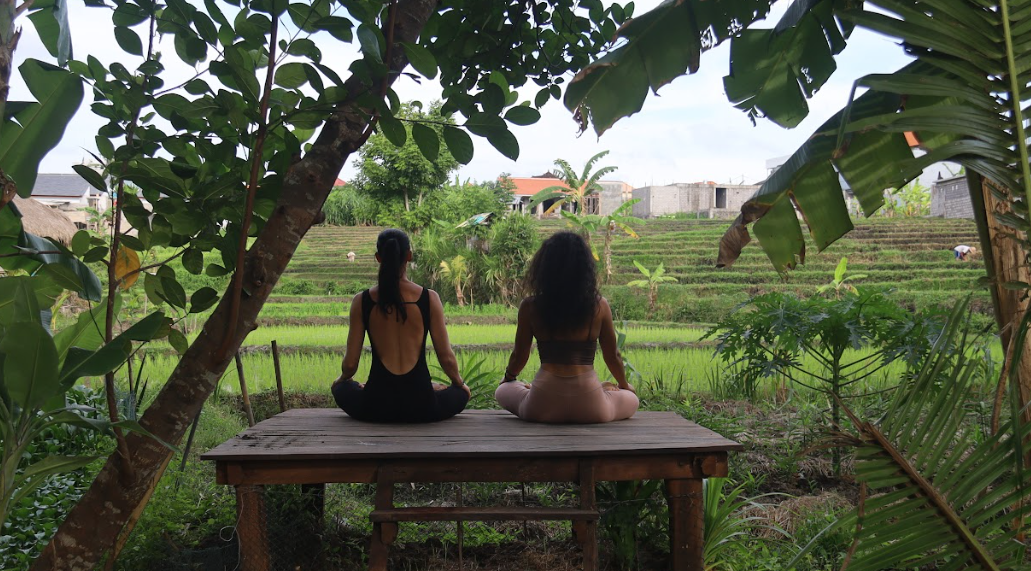
You know that moment when you arrive somewhere new and your shoulders just... drop? When you didn't even realise you were holding tension until suddenly you are not anymore? That's the feeling we think about most when someone walks through Ubuntu's doors.
We've noticed something over the years: people arrive here carrying more than just luggage. There's the invisible weight of deadlines, the mental list of things left undone, the slight guardedness that comes from navigating unfamiliar places. And somewhere in the first few hours, sometimes even the first few minutes, we watch that weight start to lift.
The thing about safety most people don't talk about
When we say "safe space," we are not just talking about physical safety, though that matters too. We mean the kind of safety where you can be messy. Where you can cry during yoga if you need to, or sleep through breakfast without apologising, or sit in silence without anyone trying to fill it.
Real rest doesn't happen when you are performing relaxation. It happens when you stop needing to manage how you are perceived.
Your nervous system is smarter than your mind sometimes. It knows the difference between a place that says it's restful and a place that actually is. It picks up on whether the staff genuinely smiles or just professionally smiles. Whether the quiet is peaceful or awkward. Whether you are welcome exactly as you are, jetlagged and uncertain and possibly crying, or whether you need to pull yourself together first.
How arrival actually works here
There's no clipboard. No long check-in process where you are standing at a desk filling out forms. When you arrive, usually someone's already spotted you coming up the path. There's cool water waiting (with actual flavor, lemongrass or cucumber, not just plain water trying to be fancy). Someone remembers your name from the booking.
We walk you to your room at whatever pace you need. Some people want the full tour immediately. Others just need to know where the bed is and we can talk later. Both are completely fine.
Your room is already set to the temperature you prefer if you mentioned it. There's a personal handwritten note, not a printed one. Freshly picked flowers, and some homemade natural (and functional) mozzy spray for you to use.
These aren't luxury touches, exactly. They are recognition that you are a person, not a guest number. And persons need different things.
The small rituals that signal you can let go
We've learned that consistency creates safety, especially the small, repeated things. Morning tea or coffee is available in your room alongside the kettle. The yoga shala is always open if you want to practice alone. Someone always says goodnight, and smiles are in abundance around here.
There's a particular kind of calm that comes from knowing what to expect. Not in a boring way, but in a way that lets your brain stop scanning for problems. When you know breakfast happens in this gentle window of time, in this sunlit space, with these familiar faces, you stop wondering if you are doing it right. You just show up.
One guest told us she realised on day three that she hadn't checked her phone placement in 48 hours. Not because we have some anti-technology rule, but because she stopped feeling like she might need it for safety. She knew where everything was. She knew she could ask for anything. She knew the rhythms of the day. She decided to borrow a book from our Library, and leave the phone behind, she is glued to it ever since, as real pages, and a great captivating book, common Its the creme de la creme for a perfect down time.
That's when real rest begins.
What happens when you finally exhale
Something shifts when you feel safe enough to actually be tired. Not "I should rest" tired, but bone-deep tired. The kind you've maybe been pushing through for months.
We see it happen. Someone arrives very chatty, very organised, very on top of everything. By day two or three, they are quieter. Moving slower. Sleeping ten hours. Maybe crying a little. Definitely not apologising for any of it anymore.
This isn't breakdown. This is thaw.
Your body has been waiting for permission to rest, and it needed to trust the container first. It needed to know that here, at Ubuntu, being a mess is not just allowed but expected. Welcome, even. Because that's often what healing looks like in the middle.
The home part of home away from home
"Home" isn't about matching your actual house. It's about that feeling of being able to move through space without thinking about it. Knowing where the good mugs are. Having a favorite spot to sit. Recognising the evening sounds.
At Ubuntu Bali, you'll probably develop routines we never suggested. A particular chair for morning journaling. A time you like to walk to the rice fields. A friendship withoutresident cats (yes, there are cats).
These small claims of space, these tiny habits, they are signs you have stopped being a visitor and started actually inhabiting your time here.
And that's when the real work of a retreat can happen. Not the scheduled workshops or the planned activities, though those matter. But the unexpected conversations. The sudden insights in the middle of an ordinary walk. The way something locked in you quietly unlocks because you finally felt safe enough to stop guarding it.
Ubuntu Bali is a serene retreat space in Canggu where safety, slowness, and simplicity create room for whatever you need to find. We are here when you are ready to really rest.